
Naneghat
Ancient mountain pass through the Western Ghats
Naneghat, also referred to as Nanaghat or Nana Ghat (IAST: Nānāghaṭ), is a mountain pass in the Western Ghats range between the Konkan coast and the ancient town of Junnar in the Deccan plateau. The pass is about 120 kilometres (75 mi) north of Pune and about 165 kilometres (103 mi) east from Mumbai, Maharashtra, India.
Nº Q3309717 ★★
Poco común · Lugares
Naneghat
Ancient mountain pass through the Western Ghats
Naneghat, also referred to as Nanaghat or Nana Ghat (IAST: Nānāghaṭ), is a mountain pass in the Western Ghats range between the Konkan coast and the ancient town of Junnar in the Deccan plateau. The pass is about 120 kilometres (75 mi) north of Pune and about 165 kilometres (103 mi) east from Mumbai, Maharashtra, India.
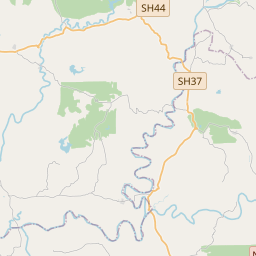
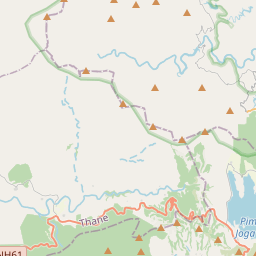
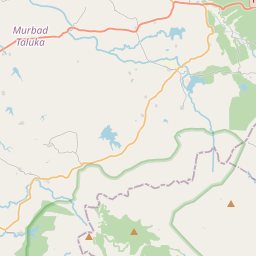
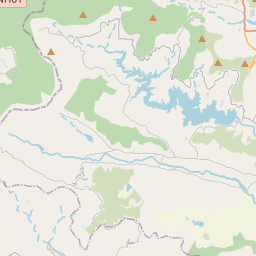
En el mapa
Último precio
—
Precio mínimo
—
Mediana 7 d
—
Ventas 30 d
0
Rango 30 d
—
En circulación
0
Cotización
mediana
mín – máx
ventas
Sin ventas en el periodo
Ver tabla
| Fecha | mediana | Mín | Máx | ventas |
|---|
Historial de ventas
- Última venta
- —
- Media 30 d
- —
- Mínimo 30 d
- —
- Máximo 30 d
- —
- Ventas 7 d
- 0
- Ventas 30 d
- 0
Aún no hay ventas.
Ventas anónimas: sin comprador ni vendedor. Las cifras solo cuentan ventas entre jugadores.
En Wikipedia
Texto en inglés Aún no hay artículo en tu idioma: extracto en inglés.
Naneghat, also referred to as Nanaghat or Nana Ghat (IAST: Nānāghaṭ), is a mountain pass in the Western Ghats range between the Konkan coast and the ancient town of Junnar in the Deccan plateau. The pass is about 120 kilometres (75 mi) north of Pune and about 165 kilometres (103 mi) east from Mumbai, Maharashtra, India. It was a part of an ancient trading route, and is famous for a major cave with Sanskrit inscriptions in Brahmi script and Middle Indo-Aryan dialect. These inscriptions have been dated between the 2nd and the 1st century BCE, and attributed to the Satavahana dynasty era. The inscriptions are notable for linking the Vedic and Hinduism deities, mentioning some Vedic srauta rituals and of names that provide historical information about the ancient Satavahanas. The inscriptions present the world's oldest numeration symbols for "2, 4, 6, 7, and 9" that resemble modern era numerals, more closely those found in modern Nagari and Hindu-Arabic script.
Texto: Wikipedia en inglés, CC BY-SA 4.0. · Imagen: Kevin Standage ([email protected]) INDIAN TRAVEL... (CC BY-SA 2.0) ·


