
Naneghat
Ancient mountain pass through the Western Ghats
Naneghat, also referred to as Nanaghat or Nana Ghat (IAST: Nānāghaṭ), is a mountain pass in the Western Ghats range between the Konkan coast and the ancient town of Junnar in the Deccan plateau. The pass is about 120 kilometres (75 mi) north of Pune and about 165 kilometres (103 mi) east from Mumbai, Maharashtra, India.
Nº Q3309717 ★★
Peu commune · Lieux
Naneghat
Ancient mountain pass through the Western Ghats
Naneghat, also referred to as Nanaghat or Nana Ghat (IAST: Nānāghaṭ), is a mountain pass in the Western Ghats range between the Konkan coast and the ancient town of Junnar in the Deccan plateau. The pass is about 120 kilometres (75 mi) north of Pune and about 165 kilometres (103 mi) east from Mumbai, Maharashtra, India.
Sur la carte
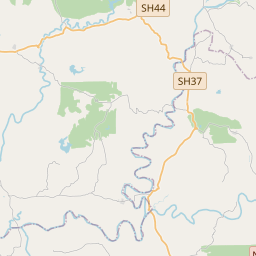
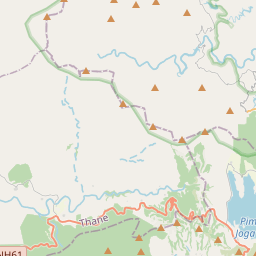
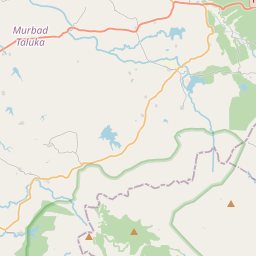
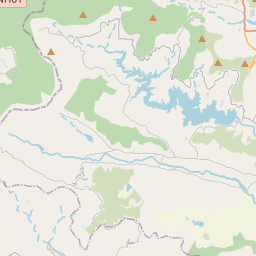
Dernier prix
—
Prix plancher
—
Médiane 7 j
—
Ventes 30 j
0
Fourchette 30 j
—
En circulation
0
Cours
médiane
min – max
ventes
Aucune vente sur la période
Voir le tableau
| Date | médiane | Min | Max | ventes |
|---|
Historique des ventes
- Dernière vente
- —
- Moyenne 30 j
- —
- Plus bas 30 j
- —
- Plus haut 30 j
- —
- Ventes 7 j
- 0
- Ventes 30 j
- 0
Aucune vente pour l'instant.
Ventes anonymes : ni acheteur ni vendeur. Les chiffres ne comptent que les ventes entre joueurs.
Sur Wikipédia
Texte en anglais Pas encore d'article dans ta langue : extrait en anglais.
Naneghat, also referred to as Nanaghat or Nana Ghat (IAST: Nānāghaṭ), is a mountain pass in the Western Ghats range between the Konkan coast and the ancient town of Junnar in the Deccan plateau. The pass is about 120 kilometres (75 mi) north of Pune and about 165 kilometres (103 mi) east from Mumbai, Maharashtra, India. It was a part of an ancient trading route, and is famous for a major cave with Sanskrit inscriptions in Brahmi script and Middle Indo-Aryan dialect. These inscriptions have been dated between the 2nd and the 1st century BCE, and attributed to the Satavahana dynasty era. The inscriptions are notable for linking the Vedic and Hinduism deities, mentioning some Vedic srauta rituals and of names that provide historical information about the ancient Satavahanas. The inscriptions present the world's oldest numeration symbols for "2, 4, 6, 7, and 9" that resemble modern era numerals, more closely those found in modern Nagari and Hindu-Arabic script.
Texte : Wikipédia en anglais, CC BY-SA 4.0. · Image : Kevin Standage ([email protected]) INDIAN TRAVEL... (CC BY-SA 2.0) ·
Cartes voisines
-

Junnar
Ville
Nº Q2445461 ★
Pas en vente
-

Ghats occidentaux
Chaîne de montagne en Inde
Nº Q4527 ★★★
Pas en vente
-

Junagadh
Ville de l'Inde
Nº Q11864 ★★
Pas en vente
-

Pataleshwar Caves, Pune
Cave temple in Pune
Nº Q7144204 ★
Pas en vente
-

Kolhapur
Établissement humain en Inde
Nº Q209698 ★★
Pas en vente
-

Jalgaon
Ville du Maharashtra
Nº Q30951 ★★
Pas en vente