
Nihonbashi River
River in Tokyo
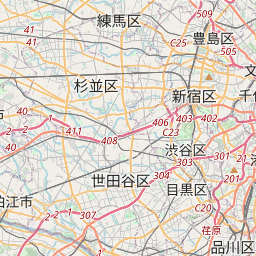
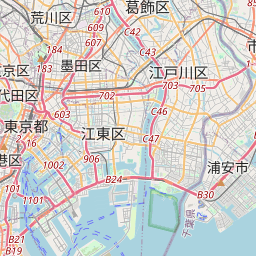
The Nihonbashi River (日本橋川, Nihonbashi-gawa) is a river which flows through central Tokyo, Japan. It is a distributary river of the Kanda River and flows into the Sumida River near the Eitai Bridge. The river is 4.8 km (3.0 mi) in length and passes through Chiyoda and Chuo wards.
Nº Q6854971 ★★★
Rara · Lugares
Nihonbashi River
River in Tokyo
The Nihonbashi River (日本橋川, Nihonbashi-gawa) is a river which flows through central Tokyo, Japan. It is a distributary river of the Kanda River and flows into the Sumida River near the Eitai Bridge. The river is 4.8 km (3.0 mi) in length and passes through Chiyoda and Chuo wards.
En el mapa
Último precio
—
Precio mínimo
—
Mediana 7 d
—
Ventas 30 d
0
Rango 30 d
—
En circulación
0
Cotización
mediana
mín – máx
ventas
Sin ventas en el periodo
Ver tabla
| Fecha | mediana | Mín | Máx | ventas |
|---|
Historial de ventas
- Última venta
- —
- Media 30 d
- —
- Mínimo 30 d
- —
- Máximo 30 d
- —
- Ventas 7 d
- 0
- Ventas 30 d
- 0
Aún no hay ventas.
Ventas anónimas: sin comprador ni vendedor. Las cifras solo cuentan ventas entre jugadores.
En Wikipedia
Texto en inglés Aún no hay artículo en tu idioma: extracto en inglés.
The Nihonbashi River (日本橋川, Nihonbashi-gawa) is a river which flows through central Tokyo, Japan. It is a distributary river of the Kanda River and flows into the Sumida River near the Eitai Bridge. The river is 4.8 km (3.0 mi) in length and passes through Chiyoda and Chuo wards. The river was created by a re-channeling of the former Hira River in the 15th century at the direction of Ōta Dōkan to form a part of the external fortifications and water management plan for Edo Castle. Connected to Tokyo Bay the river is shallow in depth and subject to a tidal range of up to two meters. The river banks are heavily built up in character and the Inner Circular Route C1 of the Shuto Expressway has covered almost the entire length of the river since the expressway's construction in 1962. Despite this the river features urban park space along its southern bank, occasional boat tours and a number of noteworthy and historic bridges along its route; foremost being the Nihonbashi Bridge designed by Tsumaki Yorinaka in 1911.
Texto: Wikipedia en inglés, CC BY-SA 4.0. · Imagen: No machine-readable author provided. Fg2 assumed (based on c... (Public domain) ·
Cartas cercanas

Río Sumida
Río en Japón
Nº Q222149 ★★★★

Japan Bridge
Bridge located in Tokyo, Japan
Nº Q100930819 ★★★

Nihonbashi Bakurochō
Neighborhood in Chūō-ku, Tokyo
Nº Q11508347 ★★★

Río Edo
Río en la región de Kantō en Japón
Nº Q1194505 ★★★

Nogawa River
River in Tokyo, Japan
Nº Q11645427 ★★★

Río Kanda
Río en Japón
Nº Q3136772 ★★★★