
Heda
Établissement humain au Japon
Heda (戸田村, Heda-mura) was a village located in Tagata District, Shizuoka, Japan on the Suruga Bay coast of Izu Peninsula. Views of Mount Fuji can be seen from the village, which is a tourist resort. As of March 1, 2005, the village had an estimated population of 3,681 and a density of 105.4 persons per km2.
Nº Q5697064 ★★
Peu commune · Lieux
Heda
Établissement humain au Japon
Heda (戸田村, Heda-mura) was a village located in Tagata District, Shizuoka, Japan on the Suruga Bay coast of Izu Peninsula. Views of Mount Fuji can be seen from the village, which is a tourist resort. As of March 1, 2005, the village had an estimated population of 3,681 and a density of 105.4 persons per km2.
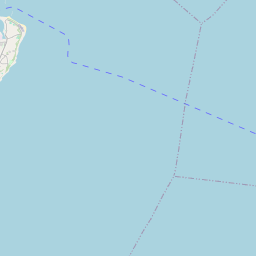
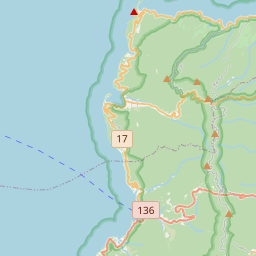
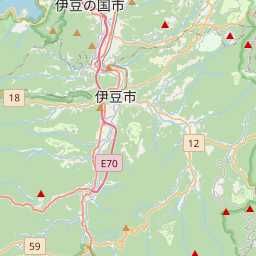
Sur la carte
Dernier prix
—
Prix plancher
—
Médiane 7 j
—
Ventes 30 j
0
Fourchette 30 j
—
En circulation
0
Cours
médiane
min – max
ventes
Aucune vente sur la période
Voir le tableau
| Date | médiane | Min | Max | ventes |
|---|
Historique des ventes
- Dernière vente
- —
- Moyenne 30 j
- —
- Plus bas 30 j
- —
- Plus haut 30 j
- —
- Ventes 7 j
- 0
- Ventes 30 j
- 0
Aucune vente pour l'instant.
Ventes anonymes : ni acheteur ni vendeur. Les chiffres ne comptent que les ventes entre joueurs.
Sur Wikipédia
Texte en anglais Pas encore d'article dans ta langue : extrait en anglais.
Heda (戸田村, Heda-mura) was a village located in Tagata District, Shizuoka, Japan on the Suruga Bay coast of Izu Peninsula. Views of Mount Fuji can be seen from the village, which is a tourist resort. As of March 1, 2005, the village had an estimated population of 3,681 and a density of 105.4 persons per km2. The total area was 34.92 km2. On April 1, 2005, Heda was merged into the expanded city of Numazu. On December 23, 1854, Diana, the flagship of the Russian fleet bearing Admiral Yevfimy Putyatin and his delegation for the negotiation of the Treaty of Shimoda was struck by a tsunami from the Ansei Tōkai earthquake and sank. The survivors stayed in Heda, where they cooperated with Japanese carpenters and shipbuilders to construct a new vessel (christened Heda) to take them back to Russia. This marked the first cooperative venture between Japanese and Europeans since the start of the national seclusion policy at the start of the Edo period. In the April 1, 1889 cadastral reform of Meiji period Japan, Heda was organized as Heda Village. Heda is known for the Japanese spider crab called takaashi-gani in Japanese which can grow up to 4 metres in length. Smaller versions of takaashi-gani (about 1 metre) are available in several restaurants and hotels around the village.
Texte : Wikipédia en anglais, CC BY-SA 4.0. · Image : Batholith (Public domain) ·
Cartes voisines

Toi (Shizuoka)
Établissement humain au Japon
Nº Q3530413 ★★
Amagiyugashima
Établissement humain au Japon
Nº Q4739134 ★★

district de Hamana
Ancien district dans la préfecture de Shizuoka, au Japon
Nº Q1042370 ★★

Kizukuri
Établissement humain au Japon
Nº Q6419255 ★★
Shuzenji
Municipalité dissoute dans le district de Tagata, préfecture de Shizuoka, Japon
Nº Q7505795 ★★
Nirayama
Établissement humain au Japon
Nº Q7039915 ★★