
Tel Kabri
Tell (hill city), containing one of the largest Middle Bronze (MB) Age (2,100–1,550 BC) Canaanite palaces in ancient Palestine
Tel Kabri (Hebrew: תֵל כַבְרִי), or Tell al-Qahweh (Arabic: تَلْ ألْقَهوَة, lit. 'mound of coffee'), is an archaeological tell (mound created by accumulation of remains) containing one of the largest Middle Bronze Age (2,100–1,550 BCE) Canaanite palaces in Israel, and the largest such palace excavated as of 2014. Kabri is named for the abundance of its perennial springs the presence of which has led to the site's occupation and use as a water source from the Pottery Neolithic (PN) period (6,400–4,500 BCE) to the present day.
Nº Q2895524 ★★★
Rara · Lugares
Tel Kabri
Tell (hill city), containing one of the largest Middle Bronze (MB) Age (2,100–1,550 BC) Canaanite palaces in ancient Palestine
Tel Kabri (Hebrew: תֵל כַבְרִי), or Tell al-Qahweh (Arabic: تَلْ ألْقَهوَة, lit. 'mound of coffee'), is an archaeological tell (mound created by accumulation of remains) containing one of the largest Middle Bronze Age (2,100–1,550 BCE) Canaanite palaces in Israel, and the largest such palace excavated as of 2014. Kabri is named for the abundance of its perennial springs the presence of which has led to the site's occupation and use as a water source from the Pottery Neolithic (PN) period (6,400–4,500 BCE) to the present day.
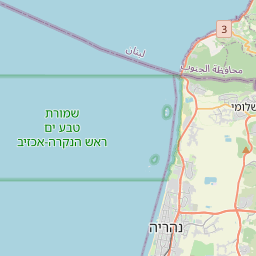
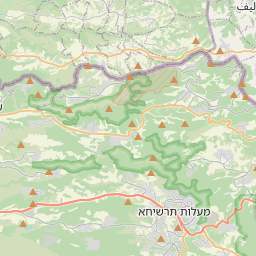
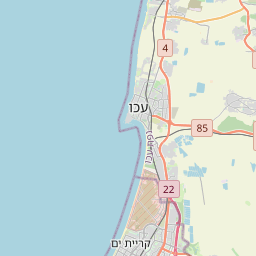
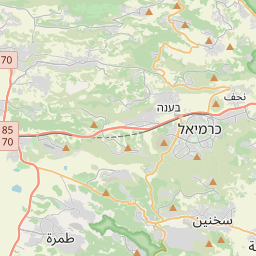
No mapa
Último preço
—
Preço mínimo
—
Mediana 7 d
—
Vendas 30 d
0
Faixa 30 d
—
Em circulação
0
Cotação
mediana
mín – máx
vendas
Sem vendas no período
Ver tabela
| Data | mediana | Mín | Máx | vendas |
|---|
Histórico de vendas
- Última venda
- —
- Média 30 d
- —
- Mínima 30 d
- —
- Máxima 30 d
- —
- Vendas 7 d
- 0
- Vendas 30 d
- 0
Ainda sem vendas.
Vendas anônimas: sem comprador nem vendedor. Os números contam só vendas entre jogadores.
Na Wikipédia
Texto em inglês Ainda não há artigo no seu idioma: trecho em inglês.
Tel Kabri (Hebrew: תֵל כַבְרִי), or Tell al-Qahweh (Arabic: تَلْ ألْقَهوَة, lit. 'mound of coffee'), is an archaeological tell (mound created by accumulation of remains) containing one of the largest Middle Bronze Age (2,100–1,550 BCE) Canaanite palaces in Israel, and the largest such palace excavated as of 2014. Kabri is named for the abundance of its perennial springs the presence of which has led to the site's occupation and use as a water source from the Pottery Neolithic (PN) period (6,400–4,500 BCE) to the present day. Located in the Western Upper Galilee, the site was at the height of its power in the Middle Bronze, controlling much of the surrounding region. Kabri declined as a local power at the end of the Middle Bronze, but the site continued to be occupied at times, on a much reduced level, up until the 1948 Arab-Israeli War. Since 1957, Tel Kabri has been excavated by the Israel Antiquities Authority (IAA), formerly the Israel Department of Antiquities and Museums (IDAM), as well as Israeli and American universities. Among the discoveries at the site by the two full-scale archaeological expeditions, two have attracted particular attention from the archaeological community. The first finding to come to international attention was the discovery of Minoan-style frescoes in the palace at Kabri. As of 2009, these are the only Minoan paintings ever discovered in Israel. Second, in 2013, the Tel Kabri Archaeological Project uncovered the oldest and largest known palatial wine cellar in the Ancient Near East in Kabri's palace.
Texto: Wikipédia em inglês, CC BY-SA 4.0. · Imagem: Skyview Productions, Ltd. on behalf of the Tel Kabri Expedit... (CC BY-SA 3.0) ·
Cartas próximas

Krynica Morska
Cidade na atual Polônia
Nº Q935756 ★★★

Marmaray
Infraestrutura de meio de transporte
Nº Q497844 ★★★

Shibli–Umm al-Ghanam
Archaeological site in Israel
Nº Q2601842 ★★★

Condado de Cuyahoga
Condado em Ohio, Estados Unidos
Nº Q251267 ★★★

Voidokilia beach
Beach in Messenia, Greece
Nº Q890802 ★★★

Simi Valley
Nº Q323414 ★★★