
Tel Kabri
Site archéologique en Israël contenant un des plus grands palais de l'âge de bronze
Tel Kabri (Hebrew: תֵל כַבְרִי), or Tell al-Qahweh (Arabic: تَلْ ألْقَهوَة, lit. 'mound of coffee'), is an archaeological tell (mound created by accumulation of remains) containing one of the largest Middle Bronze Age (2,100–1,550 BCE) Canaanite palaces in Israel, and the largest such palace excavated as of 2014. Kabri is named for the abundance of its perennial springs the presence of which has led to the site's occupation and use as a water source from the Pottery Neolithic (PN) period (6,400–4,500 BCE) to the present day.
Nº Q2895524 ★★★
Rare · Lieux
Tel Kabri
Site archéologique en Israël contenant un des plus grands palais de l'âge de bronze
Tel Kabri (Hebrew: תֵל כַבְרִי), or Tell al-Qahweh (Arabic: تَلْ ألْقَهوَة, lit. 'mound of coffee'), is an archaeological tell (mound created by accumulation of remains) containing one of the largest Middle Bronze Age (2,100–1,550 BCE) Canaanite palaces in Israel, and the largest such palace excavated as of 2014. Kabri is named for the abundance of its perennial springs the presence of which has led to the site's occupation and use as a water source from the Pottery Neolithic (PN) period (6,400–4,500 BCE) to the present day.
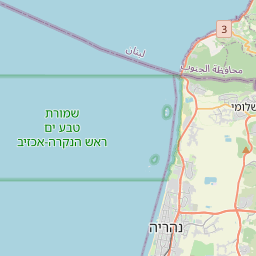
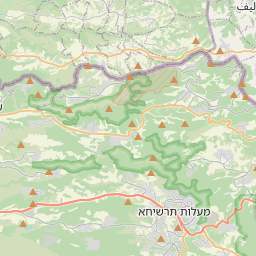
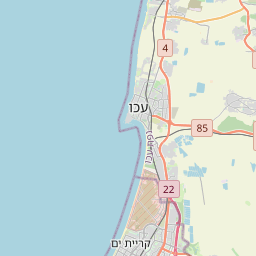
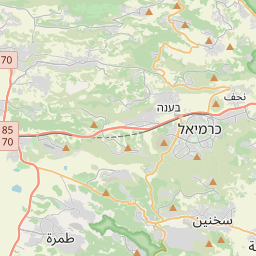
Sur la carte
Dernier prix
—
Prix plancher
—
Médiane 7 j
—
Ventes 30 j
0
Fourchette 30 j
—
En circulation
0
Cours
médiane
min – max
ventes
Aucune vente sur la période
Voir le tableau
| Date | médiane | Min | Max | ventes |
|---|
Historique des ventes
- Dernière vente
- —
- Moyenne 30 j
- —
- Plus bas 30 j
- —
- Plus haut 30 j
- —
- Ventes 7 j
- 0
- Ventes 30 j
- 0
Aucune vente pour l'instant.
Ventes anonymes : ni acheteur ni vendeur. Les chiffres ne comptent que les ventes entre joueurs.
Sur Wikipédia
Texte en anglais Pas encore d'article dans ta langue : extrait en anglais.
Tel Kabri (Hebrew: תֵל כַבְרִי), or Tell al-Qahweh (Arabic: تَلْ ألْقَهوَة, lit. 'mound of coffee'), is an archaeological tell (mound created by accumulation of remains) containing one of the largest Middle Bronze Age (2,100–1,550 BCE) Canaanite palaces in Israel, and the largest such palace excavated as of 2014. Kabri is named for the abundance of its perennial springs the presence of which has led to the site's occupation and use as a water source from the Pottery Neolithic (PN) period (6,400–4,500 BCE) to the present day. Located in the Western Upper Galilee, the site was at the height of its power in the Middle Bronze, controlling much of the surrounding region. Kabri declined as a local power at the end of the Middle Bronze, but the site continued to be occupied at times, on a much reduced level, up until the 1948 Arab-Israeli War. Since 1957, Tel Kabri has been excavated by the Israel Antiquities Authority (IAA), formerly the Israel Department of Antiquities and Museums (IDAM), as well as Israeli and American universities. Among the discoveries at the site by the two full-scale archaeological expeditions, two have attracted particular attention from the archaeological community. The first finding to come to international attention was the discovery of Minoan-style frescoes in the palace at Kabri. As of 2009, these are the only Minoan paintings ever discovered in Israel. Second, in 2013, the Tel Kabri Archaeological Project uncovered the oldest and largest known palatial wine cellar in the Ancient Near East in Kabri's palace.
Texte : Wikipédia en anglais, CC BY-SA 4.0. · Image : Skyview Productions, Ltd. on behalf of the Tel Kabri Expedit... (CC BY-SA 3.0) ·
Cartes voisines

Caymont
Montagne israélienne
Nº Q4026101 ★★★

Tel Arad
Site archéologique d'Israël situé dans l'est du Néguev à 10 km à l'ouest de la ville d'Arad.
Nº Q2063578 ★

Tell ej-Judeideh
Archaeological site in Israel, possibly of the biblical city of Moreseth-Gath.
Nº Q7056545 ★★★

Tel Gamma
Site archéologique
Nº Q1301002 ★★★

Megiddo
Site archéologique israélien
Nº Q208379 ★★★

Tel Dor
Site archéologique israélien
Nº Q1243563 ★