
Caymont
Montagne israélienne
Tel Yokneam, also spelled Yoqne'am or Jokneam (Hebrew: תֵּל יָקְנְעָם), is an archaeological site located in the northern part of the modern city of Yokneam Illit, Israel. It is known in Arabic as Tell Qamun (Arabic: تل قامون), believed to be a corruption of the Hebrew name.
Nº Q4026101 ★★★
Rare · Lieux
Caymont
Montagne israélienne
Tel Yokneam, also spelled Yoqne'am or Jokneam (Hebrew: תֵּל יָקְנְעָם), is an archaeological site located in the northern part of the modern city of Yokneam Illit, Israel. It is known in Arabic as Tell Qamun (Arabic: تل قامون), believed to be a corruption of the Hebrew name.
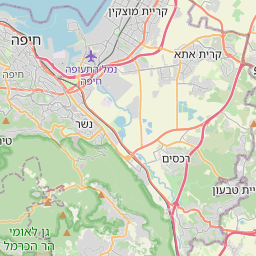
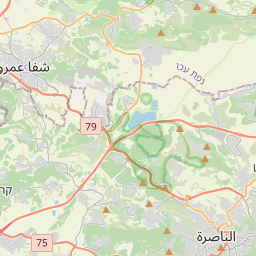
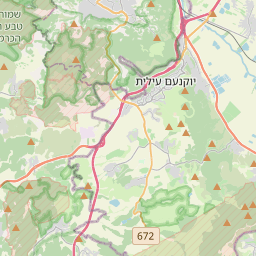
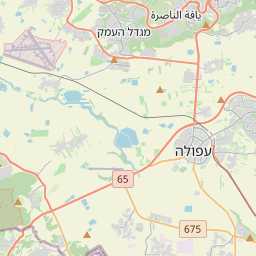
Sur la carte
Dernier prix
—
Prix plancher
—
Médiane 7 j
—
Ventes 30 j
0
Fourchette 30 j
—
En circulation
0
Cours
médiane
min – max
ventes
Aucune vente sur la période
Voir le tableau
| Date | médiane | Min | Max | ventes |
|---|
Historique des ventes
- Dernière vente
- —
- Moyenne 30 j
- —
- Plus bas 30 j
- —
- Plus haut 30 j
- —
- Ventes 7 j
- 0
- Ventes 30 j
- 0
Aucune vente pour l'instant.
Ventes anonymes : ni acheteur ni vendeur. Les chiffres ne comptent que les ventes entre joueurs.
Sur Wikipédia
Texte en anglais Pas encore d'article dans ta langue : extrait en anglais.
Tel Yokneam, also spelled Yoqne'am or Jokneam (Hebrew: תֵּל יָקְנְעָם), is an archaeological site located in the northern part of the modern city of Yokneam Illit, Israel. It is known in Arabic as Tell Qamun (Arabic: تل قامون), believed to be a corruption of the Hebrew name. The site is an elevated mound, or tell, spanning around 40 dunams (10 acres/4 ha) and rising steeply to a height of 60 meters (200 ft). With a few brief interruptions, Yokneam was occupied for 4,000 years, from the Middle Bronze Age to the Ottoman period. The ancient settlement at Tel Yokneam is first mentioned in Egyptian sources as a city conquered by Pharaoh Thutmose III. It appears later in the Hebrew Bible as a city defeated by Israelite leader Joshua and settled by the Tribe of Levi. It is mentioned twice in Roman sources. During the Crusades, it was called Caymont, or Cain Mons, recalling a legend that Yokneam was the site of Cain's death. For a period, it was the center of the Lordship of Caymont, the smallest seigneurie of the Crusader kingdom of Jerusalem. The earliest archaeological features of Yokneam date from the Chalcolithic period, in the fourth millennium BCE. The first structures date from the beginning of the second millennium BCE. During the Middle and Late Bronze Ages (2000–1200 BCE), Yokneam was for the most part a fortified city, which was razed during a period known as the Late Bronze Age collapse. During the Iron Age, the city was razed and rebuilt several times; events which are attributed to the biblical accounts of the conquests by Joshua, King David, Hazael of Aram-Damascus, and the Neo-Assyrian Empire. The period between the 10th and 8th centuries BCE is considered Yokneam's golden age, during which it extended beyond the mound's limits. The...
Texte : Wikipédia en anglais, CC BY-SA 4.0. · Image : יאיר דב (CC BY-SA 4.0) ·
Cartes voisines

Tel Gamma
Site archéologique
Nº Q1301002 ★★★

Tell Qudadi
Archaeological site in Tel Aviv, Israel
Nº Q6730120 ★★★

Tel Qashish
Mountain in Israel
Nº Q4220548 ★★★

Tel Arad
Site archéologique d'Israël situé dans l'est du Néguev à 10 km à l'ouest de la ville d'Arad.
Nº Q2063578 ★

Tel Kabri
Site archéologique en Israël contenant un des plus grands palais de l'âge de bronze
Nº Q2895524 ★★★

Tell ej-Judeideh
Archaeological site in Israel, possibly of the biblical city of Moreseth-Gath.
Nº Q7056545 ★★★