
Tel Yokneam
Archaeological site
Tel Yokneam, also spelled Yoqne'am or Jokneam (Hebrew: תֵּל יָקְנְעָם), is an archaeological site located in the northern part of the modern city of Yokneam Illit, Israel. It is known in Arabic as Tell Qamun (Arabic: تل قامون), believed to be a corruption of the Hebrew name.
Nº Q4026101 ★★★
Rara · Lugares
Tel Yokneam
Archaeological site
Tel Yokneam, also spelled Yoqne'am or Jokneam (Hebrew: תֵּל יָקְנְעָם), is an archaeological site located in the northern part of the modern city of Yokneam Illit, Israel. It is known in Arabic as Tell Qamun (Arabic: تل قامون), believed to be a corruption of the Hebrew name.
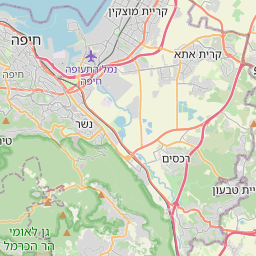
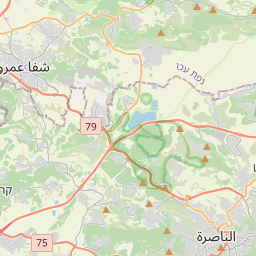
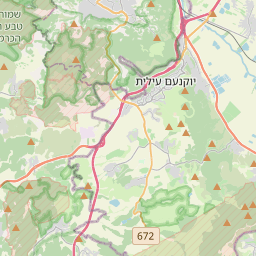
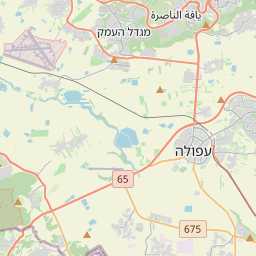
No mapa
Último preço
—
Preço mínimo
—
Mediana 7 d
—
Vendas 30 d
0
Faixa 30 d
—
Em circulação
0
Cotação
mediana
mín – máx
vendas
Sem vendas no período
Ver tabela
| Data | mediana | Mín | Máx | vendas |
|---|
Histórico de vendas
- Última venda
- —
- Média 30 d
- —
- Mínima 30 d
- —
- Máxima 30 d
- —
- Vendas 7 d
- 0
- Vendas 30 d
- 0
Ainda sem vendas.
Vendas anônimas: sem comprador nem vendedor. Os números contam só vendas entre jogadores.
Na Wikipédia
Texto em inglês Ainda não há artigo no seu idioma: trecho em inglês.
Tel Yokneam, also spelled Yoqne'am or Jokneam (Hebrew: תֵּל יָקְנְעָם), is an archaeological site located in the northern part of the modern city of Yokneam Illit, Israel. It is known in Arabic as Tell Qamun (Arabic: تل قامون), believed to be a corruption of the Hebrew name. The site is an elevated mound, or tell, spanning around 40 dunams (10 acres/4 ha) and rising steeply to a height of 60 meters (200 ft). With a few brief interruptions, Yokneam was occupied for 4,000 years, from the Middle Bronze Age to the Ottoman period. The ancient settlement at Tel Yokneam is first mentioned in Egyptian sources as a city conquered by Pharaoh Thutmose III. It appears later in the Hebrew Bible as a city defeated by Israelite leader Joshua and settled by the Tribe of Levi. It is mentioned twice in Roman sources. During the Crusades, it was called Caymont, or Cain Mons, recalling a legend that Yokneam was the site of Cain's death. For a period, it was the center of the Lordship of Caymont, the smallest seigneurie of the Crusader kingdom of Jerusalem. The earliest archaeological features of Yokneam date from the Chalcolithic period, in the fourth millennium BCE. The first structures date from the beginning of the second millennium BCE. During the Middle and Late Bronze Ages (2000–1200 BCE), Yokneam was for the most part a fortified city, which was razed during a period known as the Late Bronze Age collapse. During the Iron Age, the city was razed and rebuilt several times; events which are attributed to the biblical accounts of the conquests by Joshua, King David, Hazael of Aram-Damascus, and the Neo-Assyrian Empire. The period between the 10th and 8th centuries BCE is considered Yokneam's golden age, during which it extended beyond the mound's limits. The...
Texto: Wikipédia em inglês, CC BY-SA 4.0. · Imagem: יאיר דב (CC BY-SA 4.0) ·
Cartas próximas

Tell Jemmeh
Archaeological site in Israel
Nº Q1301002 ★★★

Tell Qudadi
Archaeological site in Tel Aviv, Israel
Nº Q6730120 ★★★

Tel Qashish
Mountain in Israel
Nº Q4220548 ★★★

Tel Arad
Archaeological site west of the Dead Sea, Israel
Nº Q2063578 ★

Tel Halif
Archaeological site in Israel
Nº Q49004180 ★★

Tel Kabri
Tell (hill city), containing one of the largest Middle Bronze (MB) Age (2,100–1,550 BC) Canaanite palaces in ancient Palestine
Nº Q2895524 ★★★